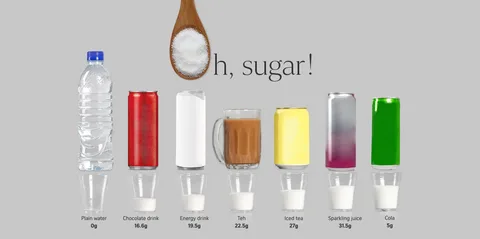
Have you ever stopped to consider just how many teaspoons of sugar are hidden in that seemingly harmless can of soda pop? The reality might shock you. Grasping the sugar levels in your favorite fizzy drinks can reveal a lot about their effects on your health. Before your next gulp, pause and reflect on what this sugar overload could do to your body. Keep reading to learn the facts about the excessive sugar in sodas and find practical steps toward healthier choices.
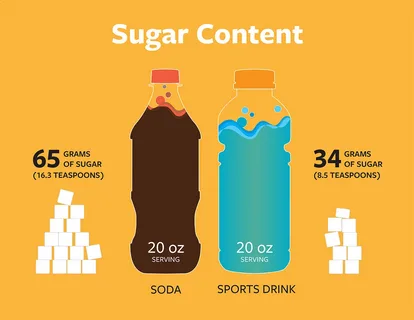
Key Takeaways
- A standard 12 oz can of soda typically contains 9-11 teaspoons of sugar.
- Excessive sugar from soda can contribute to issues like obesity, diabetes, and heart disease.
- Regularly reviewing soda labels is key to tracking and controlling sugar intake.
- Switch to low-sugar or sugar-free alternatives to cut down on added sugars.
- Replacing soda with water or herbal teas can significantly lower overall sugar consumption.
The Impact of Sugar in Soda
Sugar plays a central role in soda, not just for taste but for its profound effects on your body. When you drink soda, the high sugar content is rapidly absorbed, causing a sharp spike in blood sugar levels. This leads to a quick energy burst, but it’s fleeting—often followed by a crash that leaves you drained and irritable.
Beyond the immediate energy rollercoaster, frequent soda consumption can harm your long-term health. Studies link sugary drinks to a higher risk of obesity, type 2 diabetes, heart disease, and even some cancers. The “empty calories” from soda’s sugar provide no nutritional value, making it easy to gain weight if not offset by activity. Moreover, the acidic nature of soda can erode tooth enamel, increasing cavity risk.
Understanding this impact empowers you to make better decisions. While an occasional soda won’t derail your health, habitual intake can accumulate, leading to metabolic issues like insulin resistance. By moderating your consumption, you can protect your well-being and maintain steady energy levels.

Sugar Content in Popular Soda Brands
Different soda brands vary widely in sugar content, influencing how they affect your health. For instance, a 12 oz can of Coca-Cola has about 39 grams of sugar, equating to roughly 9.25 teaspoons. Mountain Dew, known for its bold flavor, packs around 46 grams per 12 oz can—about 11 teaspoons—making it one of the sweeter options. Pepsi falls in between, with approximately 41 grams (or 9.75 teaspoons) in the same serving size.
Some brands offer lower-sugar choices. Diet Coke and Diet Pepsi are sugar-free, using artificial sweeteners for a zero-calorie experience. Other variants, like Coke Zero or Pepsi Max, provide similar benefits without the sugar hit.
To compare easily, here’s a breakdown of sugar content in popular 12 oz cans:
| Soda Brand | Sugar Content (g) |
|---|---|
| Coca-Cola | 39 |
| Pepsi | 41 |
| Sprite | 38 |
| Dr. Pepper | 40 |
| Mountain Dew | 46 |
This table highlights how even “lighter” sodas like Sprite still deliver nearly 10 teaspoons of sugar. By choosing brands with lower or no sugar, you can enjoy the fizz without the overload.
Reading Sugar Labels on Soda
To make smarter choices, always check the nutrition labels on soda cans or bottles. These labels list total sugars per serving, helping you monitor intake. Look for the “Sugars” line under carbohydrates—it’s usually in grams, which you can convert to teaspoons (divide by 4, since 1 teaspoon ≈ 4 grams of sugar).
Labels also reveal added sugars versus natural ones. Sodas primarily contain added sugars like high-fructose corn syrup. Be wary of terms like “fruit-flavored,” which might imply healthiness but often hide high sugar levels.
Reading labels isn’t just about soda—extend it to other drinks and foods. Over time, this habit builds awareness, allowing you to spot hidden sugars in seemingly innocent products.

How Much Sugar Do You Consume?
Tracking your daily sugar intake is crucial for understanding its impact. Many people underestimate how much they consume, especially from beverages. Start by logging your drinks and snacks for a week—include sodas, juices, and even flavored coffees. Tools like apps (e.g., MyFitnessPal) can simplify this.
Consider portion sizes: a larger bottle might double the sugar. Even “healthy” options like fruit smoothies can be sugar bombs if not homemade. Aim to limit added sugars to under 25-50 grams per day, per health guidelines.
To cut back, swap sugary drinks for water or unsweetened teas. If you crave sweetness, opt for whole fruits, which provide fiber to slow sugar absorption. Small shifts, like diluting juice with water, can reduce intake without sacrificing enjoyment.
Alternatives to High-Sugar Soda
Cutting soda doesn’t mean giving up refreshment. Plenty of low-sugar options exist to satisfy your cravings. Sparkling water mixed with a splash of natural fruit juice offers fizz and flavor without excess sugar. Unsweetened iced tea provides a classic taste, customizable with lemon or mint.
For carbonation lovers, sugar-free sodas like Diet Coke or Zevia (made with natural sweeteners) mimic the experience. Herbal teas, hot or iced, come in endless varieties—from chamomile to hibiscus—and are naturally sugar-free. Coconut water delivers a subtle sweetness with electrolytes, making it a hydrating alternative.
Experimenting with these can help you transition away from high-sugar habits. Over time, your taste buds adjust, and you’ll find these options just as enjoyable.
Tips for Reducing Sugar Intake
Reducing sugar from soda is part of a broader strategy for better health. Replace sugary snacks with fruits, veggies, or nuts for nutrient-rich alternatives. For drinks, default to water—infuse it with cucumber, berries, or herbs for flavor.
Cook at home to control ingredients; use natural sweeteners like honey sparingly instead of refined sugar. When dining out, ask for dressings or sauces on the side to avoid hidden sugars.
Read labels diligently and choose products with minimal added sugars. Gradually decrease portions of sugary items to ease the change. Staying active helps balance any occasional indulgences, turning small habits into lasting wellness.
Conclusion
The next time you grab a soda, remember those 9-11 teaspoons of sugar per can and their potential toll on your health. Awareness is the first step—by checking labels, tracking intake, and exploring alternatives, you can make choices that support your well-being. Prioritize hydration and moderation for a healthier, more energized life. Your body will thank you.