How Much Dry Ice Goes Into a 130L Soda Stream
sodapopsokc.com Uncategorized How Much Dry Ice Goes Into a 130L Soda Stream

How Much Dry Ice Goes Into a 130L Soda Stream

How Much Dry Ice Goes Into a 130L Soda Stream

When figuring out how much dry ice to use for your 130L Soda Stream, precision is key to getting that ideal fizz. But don’t jump in blindly—understanding the process can prevent flat drinks or mishaps. It’s all about balancing science and technique for carbonation success.
How Much Dry Ice Goes Into a 130L Soda Stream

Key Takeaways

  • Use 34-68 ounces of dry ice for a 130L Soda Stream.
  • Break dry ice into small pieces for better carbonation.
  • Dry ice sublimates 5-10 pounds every 24 hours.
  • Wear insulated gloves and work in a well-ventilated area.
  • Monitor carbonation by checking bubbles and fizzing sounds.

Dry Ice and Soda Stream Basics

Dry ice, solid carbon dioxide, pairs with the Soda Stream to carbonate drinks. When added to water in the bottle, it sublimates—turns directly from solid to gas—creating bubbles. Handle it cautiously; it’s -78.5°C (-109.3°F) and requires good ventilation to avoid gas buildup.

Break dry ice into small pieces for efficient sublimation and stronger carbonation. Always use insulated gloves or tongs to avoid burns.

Calculating Dry Ice Needed

Base the amount on your water volume: about 1-2 ounces of dry ice per gallon. For a 130L Soda Stream (roughly 34 gallons), that’s 34-68 ounces.

Dry ice sublimates 5-10 pounds daily, so buy it fresh. Wear gloves and ensure ventilation, as it releases CO2 gas.
How Much Dry Ice Goes Into a 130L Soda Stream

Safety Precautions and Handling

Prioritize safety with dry ice. Wear insulated gloves or use tongs to prevent frostbite or burns from its extreme cold.

Work in a well-ventilated space, as sublimating CO2 can displace oxygen and cause suffocation risks—it’s heavier than air and pools in low areas.

Transport in an insulated container with gas release to avoid pressure buildup; never use airtight ones. Wear a mask for large quantities and follow supplier guidelines for safe handling.

Adding Dry Ice to the Soda Stream

Add dry ice carefully for safe, effective carbonation:

  1. Prepare the Dry Ice: Don gloves and break it into small chunks with a hammer or mallet on a sturdy surface.
  2. Add to the Chamber: Open the Soda Stream’s carbonation chamber and place pieces inside, avoiding skin contact.
  3. Seal It: Close the chamber tightly to contain the gas.
  4. Wait: Let it sit for a few minutes as sublimation carbonates the water.
How Much Dry Ice Goes Into a 130L Soda Stream

Monitoring Carbonation Levels

Track fizz by dispensing a small amount and observing bubbles—fine, numerous ones mean good carbonation; large, sparse ones indicate too little. Listen for a strong fizzing sound; weak or absent means low levels.

Refreshing Your Soda Stream

Revive your Soda Stream with dry ice for quick carbonation:

  1. Prepare: Gloves and goggles on; break dry ice into chunks.
  2. Add: Place pieces in the chamber without overfilling.
  3. Sublimate: Seal and wait for CO2 infusion.
  4. Enjoy: Carbonate drinks once sublimation finishes.
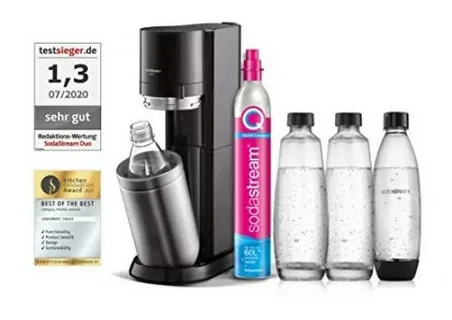
How Much Dry Ice Goes Into a 130L Soda Stream

Troubleshooting Carbonation Issues

If drinks lack fizz:

  • Adjust the Soda Stream’s carbonation setting higher.
  • Check/replace the CO2 cylinder if empty.
  • Inspect the bottle seal for leaks.
  • Shake water before carbonating for even CO2 distribution.

Conclusion

Using the right dry ice amount—34-68 ounces for your 130L Soda Stream—ensures great carbonation. Follow calculations, safety steps, and monitoring for tasty results. Handle dry ice safely in a ventilated area. Enjoy your homemade sodas!


Leave a Reply

Your email address will not be published. Required fields are marked *

Related Post

Best Soda Pop to Drink Before Singing

Best Soda Pop to Drink Before SingingBest Soda Pop to Drink Before Singing

If you want to elevate your singing performance and keep your voice in peak condition, what you drink beforehand matters more than you might think. While many beverages can be tempting, certain soda pops offer specific benefits that support vocal comfort and control. Choosing the right option can help prepare your vocal cords, making it easier to reach high notes and protect your voice. Before your next practice or performance, consider how a simple drink choice could positively influence your sound.

Best Soda Pop to Drink Before Singing

Key Takeaways

  • Ginger ale and root beer can help soothe the throat and support hydration
  • Club soda offers hydration without sugar or caffeine
  • Herbal teas provide calming, throat-coating benefits
  • Lemon-lime sodas offer a light and refreshing option
  • Low-acidity drinks help minimize throat irritation before singing

Classic Cola

When warming up your voice, a classic cola can offer a quick burst of energy and refreshment. Its carbonation may help clear your throat, while caffeine can sharpen focus and boost alertness before singing.

That said, cola’s sugar content can contribute to dehydration if consumed in excess. Pairing it with water is important to maintain proper hydration. Additionally, its acidity may irritate sensitive throats, so it’s best to listen to your body and enjoy it sparingly.

Citrus Soda

Adding a citrus soda to your pre-singing routine can deliver a bright, refreshing boost. Lemon-lime sodas like Sprite or 7UP offer a clean taste that may help keep your throat feeling fresh and hydrated.

Caffeine-free options are ideal for evening performances or for singers sensitive to stimulants. If you need an extra energy lift, citrus sodas with caffeine may help—but moderation is key to protecting your voice.

Root Beer

Root beer provides a smooth, flavorful alternative for singers seeking a soothing pre-performance drink. Its blend of herbs and spices can gently coat the throat, creating a comfortable surface for vocal cords.

The carbonation helps keep your throat clear, while the mild sweetness offers energy without excessive dryness. Choosing a high-quality root beer with natural ingredients can enhance these benefits. Just be mindful of portion size to avoid bloating before performing.

Ginger Ale

Ginger ale is a favorite among singers for good reason. Its crisp taste and gentle spice can help calm the throat and reduce discomfort. Ginger’s natural soothing qualities may also ease tension in the vocal cords and help settle nerves before stepping on stage.

The carbonation can help clear mucus, while the mild sweetness won’t overwhelm your palate. Compared to heavier or artificially flavored sodas, ginger ale is often easier on the throat and digestion.

Cream Soda

Cream soda offers a smooth, mellow option with its soft vanilla flavor and gentle fizz. Its lower acidity makes it less harsh on the throat, and the creamy sweetness can help coat and protect vocal cords.

This makes cream soda a comforting choice for singers who want hydration without sharp flavors that might cause irritation or dryness.

Berry Blast

Berry-flavored sodas can add a fun and energizing twist to your pre-singing routine. Their fruity notes awaken the senses and help set a positive mood before performing.

  • Bold berry flavor refreshes and excites the palate
  • Lively carbonation provides a quick energy lift
  • Balanced sweet-tart taste keeps the drink enjoyable without being overwhelming
Best Soda Pop to Drink Before Singing

Sparkling Water

Sparkling water is one of the cleanest and most effective choices for vocal hydration. Its carbonation can help clear mucus while leaving no sticky residue behind.

Unlike sugary sodas or juices, plain sparkling water won’t contribute to phlegm buildup, helping you maintain vocal clarity and consistency. For best results, choose unflavored varieties without sweeteners.

Herbal Infusions

Herbal drinks can be a powerful addition to your vocal warm-up routine. They help relax your throat, reduce tension, and support vocal health.

  • Chamomile tea promotes relaxation and eases vocal strain
  • Peppermint tea clears the throat and supports breath control
  • Ginger and honey infusion warms the vocal cords and provides a protective coating

Trying different herbal options can help you discover what best supports your voice.

Conclusion

When it’s time to sing, choosing the right drink can make a noticeable difference. Ginger ale stands out as a refreshing, throat-soothing option that helps hydrate and prepare your vocal cords.

With its gentle flavor and calming properties, it’s an excellent choice for singers who want to sound confident and comfortable. Here’s to a smooth, strong, and successful singing session ahead! 🎤🥤

Uncategorized
How to Make Homemade Soda Pop

How to Make Homemade Soda PopHow to Make Homemade Soda Pop

If you’re bored with commercial sodas and eager to brew something custom, homemade soda offers a methodical yet fulfilling adventure. Using basic staples like sugar, fruit, and water, you can whip up a sparkling beverage tailored to your palate. Picture the joy of sipping a drink you’ve crafted yourself, perfectly matched to your preferences. But to ensure that first bubbly gulp is a hit, follow these key steps and tips. Let’s dive into the secrets of making effervescent delights that will keep you coming back.

How to Make Homemade Soda Pop

Key Takeaways

  • Select flavors based on personal favorites, such as citrus or berries.
  • Assemble essentials: sugar, flavor extracts, fruit, and water.
  • Prepare a soda base by simmering the ingredients.
  • Add fizz via tablets, a siphon, yeast, or a SodaStream device.
  • Innovate with juices, herbs, and sweeteners for one-of-a-kind mixes.

Selecting Your Soda Flavor

A Flavorful Selection Guide

Choosing the right soda flavor starts with your own tastes and preferences, ensuring a drink you’ll love. Reflect on flavors you enjoy in other foods or drinks—do you crave the zesty punch of citrus or the juicy sweetness of berries? Perhaps the timeless appeal of vanilla or the refreshing edge of mint calls to you. These can be your launchpad for homemade soda innovation.

Factor in the season too. Opt for light, fruity options in summer to beat the heat, or warm, spiced choices like cinnamon or caramel in winter for comfort. Adapting to the time of year boosts your enjoyment.

Embrace experimentation: blend ingredients for novel combinations. Trying new flavors often yields unexpected pleasures. The goal? Pick something that delights your senses with every bubble.

How to Make Homemade Soda Pop

Assembling Ingredients and Equipment

To create homemade soda, collect the right ingredients and tools upfront.

Essential Ingredients:

  • Sugar or your preferred sweetener
  • Flavoring extracts (e.g., vanilla, lemon, raspberry)
  • Fresh fruit or juice
  • Water

Required Equipment:

  • Large pot for simmering
  • Measuring cups and spoons
  • Funnel for bottling
  • Airtight bottles for storage

Optional Enhancements:

  • Citric acid for added tang
  • Carbonation tools (like a soda maker or drops)
  • Food coloring for visual appeal
  • Herbs or spices for layered tastes

Safety Tips:

  • Wear heat-resistant gloves with hot liquids.
  • Sterilize bottles thoroughly.
  • Use proper canning if storing long-term.
  • Don’t overfill to avoid pressure buildup.

Preparing the Soda Base

Making Homemade Soda Syrup

Build your soda base by mixing sugar (or sweetener), flavor extract, and water in a large pot. Heat the water on medium, add sugar, and stir until dissolved—this creates the core of your soda.

Next, incorporate the flavor extract (options include vanilla, lemon, cherry, or root beer). Stir thoroughly for even distribution.

Simmer briefly to blend flavors, then cool completely. This syrup is now primed for carbonation, delivering the sweetness and taste that define your drink.

Carbonating Your Soda

Turn your base into a bubbly treat by introducing carbonation through straightforward methods.

Methods:

  • Carbonation Tablets: Add tablets to your base per instructions; they release CO2 for instant fizz.
  • Soda Siphon: Load the base, insert CO2 cartridges, and shake lightly to infuse gas.
  • Yeast Fermentation: Mix in yeast and extra sugar before bottling; yeast produces CO2 naturally.
  • SodaStream Machine: Attach your base bottle, carbonate with button presses for quick, adjustable bubbles.
How to Make Homemade Soda Pop

Flavoring and Sweetening Options

Enhancing Taste with Variety

Elevate your soda with diverse flavors and sweeteners—possibilities abound.

Incorporate fruit juices like orange, lemon, or raspberry for natural bursts. Herbs such as mint or basil offer a fresh twist.

For sweetness, stick with cane sugar for classic richness, or try honey, agave, or maple syrup for healthier alternatives that add nuance.

Combine fruits, herbs, and sweeteners to invent signature recipes. Experiment freely to discover blends that excite your taste buds.

Bottling and Storing Your Soda

Proper bottling and storage keep your soda fresh and fizzy. Follow these tips:

  • Use Airtight Bottles: Seal in clean containers to lock in carbonation and block contaminants.
  • Cool Storage: Refrigerate or keep in a dark, cool spot away from heat and light.
  • Minimize Openings: Avoid unnecessary access to retain bubbles.
  • Label and Date: Mark flavors and dates for easy tracking and freshness checks.
How to Make Homemade Soda Pop

Serving and Enjoying Your Creation

Creating and Savoring Dishes

Serve your homemade soda chilled in an ice-filled glass for peak refreshment.

After perfecting your flavors, indulge: add ice to chill without watering down, pour slowly to preserve fizz, and admire the rising bubbles.

Savor the colors and scents, then sip deeply. Let the flavors—sweet, tart, or herbal—unfold. Share with loved ones or enjoy solo, celebrating your craftsmanship.

Here’s to your soda-making triumphs!

Conclusion

With homemade soda mastered, the flavor horizons are limitless. Mix ingredients, tweak sweeteners, and relish custom drinks that wow.

Armed with basics and patience, you’ll produce sodas that impress. Toast to your brewing expertise!

Uncategorized
Soda Weigh

How Much Does a 2 Liter of Soda WeighHow Much Does a 2 Liter of Soda Weigh

When grabbing a 2-liter soda bottle from the store, have you paused to think about its actual heft? The weight extends beyond the contents; various elements add to its total mass. Grasping these can shed light on the burden of this everyday item.

Soda Weigh

Key Takeaways

  • An empty 2-liter soda bottle typically weighs about 50 grams.
  • The liquid in a full 2-liter soda bottle weighs roughly 4.4 pounds.
  • The complete weight of a filled 2-liter soda bottle is around 1.96 kilograms.
  • Elements like bottle construction, carbonation, and sweeteners influence the soda’s weight.
  • A 2-liter soda bottle is heavier than a 500ml water bottle but lighter than a 1-gallon milk jug.

Weight of Empty 2-Liter Soda Bottle

An empty 2-liter soda bottle generally weighs approximately 50 grams. This can fluctuate based on the brand and plastic type. Lifting an empty one might not seem significant, but those 50 grams are crucial to the overall load when filled.

The bottle’s weight matters as it adds to the total package. Combined with the liquid, it affects what you’re carrying.

This is noteworthy for transporting several bottles or monitoring lifting weight.

Weight of Liquid in 2-Liter Soda

The contents of a 2-liter soda bottle typically weigh about 4.4 pounds at full capacity. This varies with soda type and additives like sugar or carbonation.

A full bottle feels notably heavy but manageable. The 4.4 pounds stems from the soda’s density, including dissolved elements like sugars or flavors.

In context, 4.4 pounds equals roughly two kilograms—akin to two sugar bags. This is the liquid’s weight alone, excluding the bottle.

Next time you select a 2-liter soda, remember adding about 4.4 pounds to your cart.

Total Weight of Full 2-Liter Soda

The full weight of a 2-liter soda bottle includes both liquid and container. It often feels heavier than the liquid suggests due to the bottle’s contribution. Here’s a typical breakdown:

ComponentApproximate Weight (grams)
Liquid1900
Bottle (empty)60
Total Weight1960

As shown, the liquid accounts for most of the mass at about 1900 grams (1.9 kilograms). The PET plastic bottle weighs around 60 grams. Thus, the overall weight is roughly 1960 grams or 1.96 kilograms. Now, let’s examine influencing factors.

Soda Weigh

Factors Affecting Weight of Soda

Several aspects can alter a 2-liter soda bottle’s weight, including bottle design, carbonation, and sweeteners.

  • Bottle Design: Manufacturers use different materials, impacting overall weight.
  • Carbonation Levels: Higher gas content can increase weight.
  • Sweeteners: Denser sweeteners affect liquid density and thus weight.

Packaging, carbonation, and sweetener choices all contribute to the bottle’s total mass.

Soda Weigh

Comparison With Other Beverage Containers

Comparing a 2-liter soda bottle to others reveals differences in weight and design. Containers vary by size and material. Here’s a table:

Beverage ContainerWeight (empty)
2-Liter Soda Bottle50 grams
500ml Water Bottle10 grams
1-Gallon Milk Jug100 grams

A 2-liter soda bottle weighs about 50 grams empty. A 500ml water bottle is lighter at 10 grams due to size. A 1-gallon milk jug is heavier at 100 grams. Material, thickness, and design determine suitability for beverages.

Conclusion

A full 2-liter soda bottle weighs approximately 1.96 kilograms, mostly from the liquid.

The empty bottle adds about 60 grams.

Consider total weight when handling multiple bottles or transporting them.

Bear this in mind during your next soda purchase!

Uncategorized