Best Soda Pop for an Upset Stomach
sodapopsokc.com Uncategorized Best Soda Pop for an Upset Stomach

Best Soda Pop for an Upset Stomach

Best Soda Pop for an Upset Stomach

Introduction

An upset stomach can strike at the worst times—whether it’s from overindulging at a feast, a bout of food poisoning, or simply stress-induced nausea. For many, the go-to remedy isn’t a fancy pill or herbal tea, but a humble can of soda pop. But is soda really effective for soothing an upset stomach, and if so, which ones are the best? In this article, we’ll explore the science, popular choices, and practical tips for using soda pop to alleviate gastrointestinal discomfort. While soda isn’t a cure-all, it can provide temporary relief for symptoms like nausea, bloating, and indigestion. Let’s dive in.
Best Soda Pop for an Upset Stomach

Understanding Upset Stomach and Why Soda Might Help

An upset stomach, medically known as dyspepsia, encompasses a range of symptoms including nausea, vomiting, bloating, gas, and abdominal pain. Common causes include indigestion, acid reflux, infections, or even motion sickness. The idea of using soda for relief dates back decades, often passed down as folk wisdom.

Soda pop can help in a few ways:

  • Carbonation and Bubbles: The fizz in soda can help release trapped gas in the stomach, reducing bloating and discomfort. It’s like a gentle burp inducer.
  • Sugar Content: Many sodas contain sugar, which can provide a quick energy boost and sometimes calm the stomach by stimulating the production of serotonin, a neurotransmitter that regulates mood and nausea.
  • Hydration: Dehydration often worsens stomach issues, and sipping soda can help maintain fluid intake, especially if plain water feels unappealing.
  • Specific Ingredients: Some sodas include ginger or caffeine, which have natural anti-nausea properties.

However, not all sodas are created equal. Sugary, caffeinated, or acidic ones might exacerbate symptoms for some people. The key is choosing the right type—typically clear, non-caffeinated sodas that are easy on the digestive system.
Best Soda Pop for an Upset Stomach

Popular Soda Options for Upset Stomach

Based on anecdotal evidence, medical advice, and some studies, here are the most recommended sodas for soothing an upset stomach. We’ll break them down by type, benefits, and potential drawbacks.

1. Ginger Ale: The Classic Choice

Ginger ale tops the list for many reasons. Ginger, a natural root, has been used for centuries to combat nausea. Studies, such as one published in the Journal of the American Board of Family Medicine, show that ginger can reduce nausea and vomiting in pregnant women and chemotherapy patients.

  • Why it works: The ginger in ginger ale (even in small amounts) acts as an antiemetic, calming the stomach muscles and reducing inflammation in the gut.
  • Best brands: Canada Dry or Schweppes ginger ale. Opt for the “real” ginger versions over artificially flavored ones for better efficacy.
  • How to use: Sip slowly at room temperature. Start with small amounts to avoid overwhelming your system.
  • Drawbacks: If it’s too sweet or carbonated, it might cause more gas. Some people find it ineffective if the ginger content is low.

2. Cola: A Surprising Contender

Believe it or not, cola (like Coke or Pepsi) is often recommended by doctors for mild upset stomachs. The phosphoric acid and caramel color might sound off-putting, but they can help.

  • Why it works: Cola is thought to settle the stomach by neutralizing excess acid and providing a gentle stimulant. Anecdotally, it’s used in hospitals for nausea. A study in The American Journal of Gastroenterology noted that cola can help with dyspepsia by promoting gastric emptying.
  • Best brands: Classic Coke (not diet, as artificial sweeteners can irritate the stomach).
  • How to use: Drink flat (let the bubbles dissipate) to avoid excess gas. Mix with a bit of water if it’s too strong.
  • Drawbacks: High sugar content can lead to a sugar crash or worsen diarrhea. Caffeine in regular cola might increase heartburn in sensitive individuals.

3. Sprite or 7-Up: Clear and Simple

These lemon-lime sodas are clear, meaning they’re free of dyes and often gentler on the stomach.

  • Why it works: The mild citrus flavor and carbonation can help with nausea without overwhelming the senses. They’re essentially flavored water with bubbles, making them hydrating and easy to digest.
  • Best brands: Sprite or 7-Up. Avoid the diet versions if possible, as aspartame can sometimes trigger stomach issues.
  • How to use: Sip chilled or at room temperature. It’s a good option for kids or those avoiding ginger.
  • Drawbacks: Limited active ingredients mean it might not be as effective for severe nausea. Overconsumption can lead to excess sugar intake.

4. Other Options: Root Beer and Beyond

  • Root Beer: Made from sassafras or artificial flavors, it can be soothing due to its herbal notes. Brands like A&W are popular, but check for caffeine-free versions.
  • Club Soda: Plain and unflavored, it’s great for hydration and gas relief without added sugars. Add a lemon wedge for flavor.
  • Avoid These: Dark sodas like Dr Pepper (high caffeine), energy drinks (too stimulating), or citrus-heavy ones like orange soda (can increase acid).
Best Soda Pop for an Upset Stomach

Scientific Evidence and Expert Opinions

While much of the advice on soda for upset stomachs is based on tradition, some science backs it up. A 2018 review in Nutrients highlighted ginger’s efficacy for nausea, supporting ginger ale’s use. For cola, a small study in Digestive Diseases and Sciences found that flat cola helped reduce symptoms of functional dyspepsia.

Doctors often recommend the “BRAT” diet (bananas, rice, applesauce, toast) for stomach issues, but soda can complement it. Gastroenterologist Dr. Michael Picco from the Mayo Clinic suggests clear sodas for mild cases, noting they can help with dehydration and nausea without irritating the gut.

However, experts warn against relying solely on soda. If symptoms persist (e.g., vomiting blood, severe pain, or dehydration), seek medical help. Soda isn’t a substitute for proper treatment.

Practical Tips for Using Soda Effectively

To maximize benefits and minimize risks:

  • Go Flat: Let the soda sit out to reduce carbonation, which can help with gas.
  • Dilute It: Mix with water or ice to make it easier on the stomach.
  • Start Small: Begin with a few sips every 15-30 minutes.
  • Pair with Rest: Lie down after sipping to let your stomach settle.
  • Monitor Intake: Limit to 12-16 ounces per day to avoid excess sugar or caffeine.
  • When to Avoid: If you have diabetes, GERD, or are pregnant, consult a doctor—ginger ale is generally safe, but cola might not be.
  • Alternatives if Soda Doesn’t Work: Try ginger tea, peppermint, or over-the-counter remedies like Pepto-Bismol.

Potential Risks and When to Seek Help

While soda can be a quick fix, it’s not without downsides. High sugar can worsen diarrhea or cause blood sugar spikes. Caffeine can dehydrate or irritate. Acidic sodas might trigger reflux.

If your upset stomach lasts more than a few days, involves fever, blood in stool, or severe pain, see a doctor. Chronic issues might indicate conditions like IBS or ulcers.

Conclusion

In the realm of home remedies, soda pop holds a special place for taming an upset stomach. Ginger ale often reigns supreme for its natural anti-nausea properties, followed closely by cola and clear lemon-lime sodas like Sprite. The key is moderation, choosing the right type, and listening to your body. Remember, soda is a band-aid, not a cure—pair it with rest, hydration, and a bland diet for best results. If you’re dealing with frequent stomach woes, a healthcare professional can offer personalized advice. Stay fizzy and feel better!
Leave a Reply

Your email address will not be published. Required fields are marked *

Related Post

How Many Teaspoons of Sugar in Soda Pop

How Many Teaspoons of Sugar in Soda PopHow Many Teaspoons of Sugar in Soda Pop

Have you ever stopped to consider just how many teaspoons of sugar are hidden in that seemingly harmless can of soda pop? The reality might shock you. Grasping the sugar levels in your favorite fizzy drinks can reveal a lot about their effects on your health. Before your next gulp, pause and reflect on what this sugar overload could do to your body. Keep reading to learn the facts about the excessive sugar in sodas and find practical steps toward healthier choices.

How Many Teaspoons of Sugar in Soda Pop

Key Takeaways

  • A standard 12 oz can of soda typically contains 9-11 teaspoons of sugar.
  • Excessive sugar from soda can contribute to issues like obesity, diabetes, and heart disease.
  • Regularly reviewing soda labels is key to tracking and controlling sugar intake.
  • Switch to low-sugar or sugar-free alternatives to cut down on added sugars.
  • Replacing soda with water or herbal teas can significantly lower overall sugar consumption.

The Impact of Sugar in Soda

Sugar plays a central role in soda, not just for taste but for its profound effects on your body. When you drink soda, the high sugar content is rapidly absorbed, causing a sharp spike in blood sugar levels. This leads to a quick energy burst, but it’s fleeting—often followed by a crash that leaves you drained and irritable.

Beyond the immediate energy rollercoaster, frequent soda consumption can harm your long-term health. Studies link sugary drinks to a higher risk of obesity, type 2 diabetes, heart disease, and even some cancers. The “empty calories” from soda’s sugar provide no nutritional value, making it easy to gain weight if not offset by activity. Moreover, the acidic nature of soda can erode tooth enamel, increasing cavity risk.

Understanding this impact empowers you to make better decisions. While an occasional soda won’t derail your health, habitual intake can accumulate, leading to metabolic issues like insulin resistance. By moderating your consumption, you can protect your well-being and maintain steady energy levels.

How Many Teaspoons of Sugar in Soda Pop

Sugar Content in Popular Soda Brands

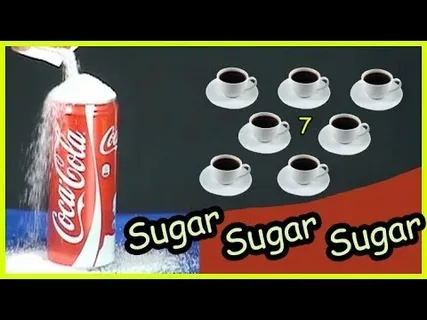
Different soda brands vary widely in sugar content, influencing how they affect your health. For instance, a 12 oz can of Coca-Cola has about 39 grams of sugar, equating to roughly 9.25 teaspoons. Mountain Dew, known for its bold flavor, packs around 46 grams per 12 oz can—about 11 teaspoons—making it one of the sweeter options. Pepsi falls in between, with approximately 41 grams (or 9.75 teaspoons) in the same serving size.

Some brands offer lower-sugar choices. Diet Coke and Diet Pepsi are sugar-free, using artificial sweeteners for a zero-calorie experience. Other variants, like Coke Zero or Pepsi Max, provide similar benefits without the sugar hit.

To compare easily, here’s a breakdown of sugar content in popular 12 oz cans:

Soda BrandSugar Content (g)
Coca-Cola39
Pepsi41
Sprite38
Dr. Pepper40
Mountain Dew46

This table highlights how even “lighter” sodas like Sprite still deliver nearly 10 teaspoons of sugar. By choosing brands with lower or no sugar, you can enjoy the fizz without the overload.

Reading Sugar Labels on Soda

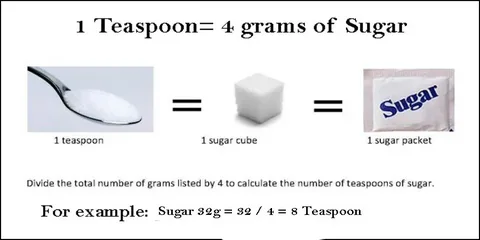
To make smarter choices, always check the nutrition labels on soda cans or bottles. These labels list total sugars per serving, helping you monitor intake. Look for the “Sugars” line under carbohydrates—it’s usually in grams, which you can convert to teaspoons (divide by 4, since 1 teaspoon ≈ 4 grams of sugar).

Labels also reveal added sugars versus natural ones. Sodas primarily contain added sugars like high-fructose corn syrup. Be wary of terms like “fruit-flavored,” which might imply healthiness but often hide high sugar levels.

Reading labels isn’t just about soda—extend it to other drinks and foods. Over time, this habit builds awareness, allowing you to spot hidden sugars in seemingly innocent products.

How Many Teaspoons of Sugar in Soda Pop

How Much Sugar Do You Consume?

Tracking your daily sugar intake is crucial for understanding its impact. Many people underestimate how much they consume, especially from beverages. Start by logging your drinks and snacks for a week—include sodas, juices, and even flavored coffees. Tools like apps (e.g., MyFitnessPal) can simplify this.

Consider portion sizes: a larger bottle might double the sugar. Even “healthy” options like fruit smoothies can be sugar bombs if not homemade. Aim to limit added sugars to under 25-50 grams per day, per health guidelines.

To cut back, swap sugary drinks for water or unsweetened teas. If you crave sweetness, opt for whole fruits, which provide fiber to slow sugar absorption. Small shifts, like diluting juice with water, can reduce intake without sacrificing enjoyment.

Alternatives to High-Sugar Soda

Cutting soda doesn’t mean giving up refreshment. Plenty of low-sugar options exist to satisfy your cravings. Sparkling water mixed with a splash of natural fruit juice offers fizz and flavor without excess sugar. Unsweetened iced tea provides a classic taste, customizable with lemon or mint.

For carbonation lovers, sugar-free sodas like Diet Coke or Zevia (made with natural sweeteners) mimic the experience. Herbal teas, hot or iced, come in endless varieties—from chamomile to hibiscus—and are naturally sugar-free. Coconut water delivers a subtle sweetness with electrolytes, making it a hydrating alternative.

Experimenting with these can help you transition away from high-sugar habits. Over time, your taste buds adjust, and you’ll find these options just as enjoyable.

Tips for Reducing Sugar Intake

Reducing sugar from soda is part of a broader strategy for better health. Replace sugary snacks with fruits, veggies, or nuts for nutrient-rich alternatives. For drinks, default to water—infuse it with cucumber, berries, or herbs for flavor.

Cook at home to control ingredients; use natural sweeteners like honey sparingly instead of refined sugar. When dining out, ask for dressings or sauces on the side to avoid hidden sugars.

Read labels diligently and choose products with minimal added sugars. Gradually decrease portions of sugary items to ease the change. Staying active helps balance any occasional indulgences, turning small habits into lasting wellness.

Conclusion

The next time you grab a soda, remember those 9-11 teaspoons of sugar per can and their potential toll on your health. Awareness is the first step—by checking labels, tracking intake, and exploring alternatives, you can make choices that support your well-being. Prioritize hydration and moderation for a healthier, more energized life. Your body will thank you.

Uncategorized
Recommendations List Soda Pop

Best by Date Recommendations List Soda PopBest by Date Recommendations List Soda Pop

Soda pop, that effervescent staple of picnics, parties, and lazy afternoons, often comes with a “best by” date stamped on the can or bottle. But what does this date really mean? Is it a hard deadline for safety, or just a guideline for peak enjoyment? In this comprehensive guide, we’ll explore the science behind soda shelf life, factors that influence it, and a detailed list of popular sodas with their recommended best by dates. Whether you’re a soda enthusiast, a retailer managing inventory, or simply someone curious about food labels, this article will help you make the most of your bubbly beverages.

Recommendations List Soda Pop

Decoding the “Best by” Date: What It Means for Soda

The “best by” date—sometimes called an expiration, sell-by, or use-by date—isn’t a universal standard enforced by law for non-perishable items like soda. In the United States, the FDA doesn’t require these dates on beverages, but manufacturers add them voluntarily based on quality testing. In the European Union, similar guidelines apply under food labeling regulations.

For soda, the best by date indicates when the product is expected to be at its optimal quality: full of fizz, vibrant flavor, and no off-tastes. Beyond this point, the soda might still be safe to drink—soda doesn’t “spoil” like dairy or meat, as it’s acidic and lacks nutrients for bacterial growth—but it could lose carbonation, develop a flat texture, or exhibit subtle flavor changes.

Key points to remember:

  • Unopened soda: Generally safe indefinitely if stored properly, though quality declines.
  • Opened soda: Refrigerate and consume within 7-10 days to prevent contamination or excessive flatness.
  • Safety vs. Quality: If a soda smells sour, has mold, or shows signs of leakage, discard it. Otherwise, it’s usually fine past the date.

Manufacturers determine these dates through accelerated shelf-life testing, simulating storage conditions to predict degradation. Factors like temperature, light, and packaging play huge roles.

Recommendations List Soda Pop

Key Factors Influencing Soda’s Shelf Life

Soda’s longevity isn’t random; it’s shaped by ingredients, packaging, and environment. Understanding these can help you extend freshness and avoid disappointment.

Ingredients and Formulation

  • Sweeteners: Sugary sodas (e.g., with high-fructose corn syrup) last longer because sugar preserves flavors and inhibits changes. Diet sodas, using aspartame or sucralose, may degrade faster, leading to bitterness or loss of sweetness.
  • Flavors: Citrus-based sodas (like lemon-lime) lose their bright notes quicker due to volatile essential oils. Colas with caffeine and caramel color hold up better.
  • Additives: Phosphoric acid in colas helps maintain stability, while natural extracts in root beers can mellow over time.

Packaging Type

  • Cans: Aluminum cans are airtight and light-proof, making them ideal for long-term storage. They prevent oxygen ingress, which causes oxidation and flatness.
  • Bottles: Glass bottles are durable but can allow light in, degrading flavors. Plastic bottles are convenient but more permeable to air, shortening shelf life. Screw-cap bottles retain carbonation better than twist-offs.
  • Size: Smaller containers (e.g., 8-oz cans) have shorter best by dates because the ratio of surface area to volume allows more gas escape.

Storage Conditions

  • Temperature: Ideal is 50-70°F (10-21°C). Heat speeds up reactions, causing premature flattening; cold slows them down. Avoid freezing, as it can rupture containers.
  • Light and Humidity: Store in a dark, dry place. Sunlight breaks down flavors, and high humidity can corrode cans.
  • Position: Keep upright to minimize leaks, especially for bottles.

By optimizing these, you can enjoy soda well beyond the printed date. For example, a properly stored can of cola might still fizz after a year.

Recommendations List Soda Pop

Recommended Best by Dates for Popular Sodas

Based on manufacturer data and industry standards (e.g., from Coca-Cola, PepsiCo, and others), here’s a list of common sodas with approximate best by dates for unopened products in ideal conditions. These are guidelines—always check the label, as batches vary. Dates are from the production date.

Classic Colas

  • Coca-Cola: 6-9 months. Its robust blend of sugars, caramel, and phosphoric acid ensures longevity.
  • Pepsi-Cola: 6-9 months. Similar stability, though Diet Pepsi may last 5-7 months due to artificial sweeteners.

Lemon-Lime Sodas

  • Sprite: 6-8 months. Citrus flavors fade faster, so enjoy early.
  • 7-Up or Sierra Mist: 6-8 months. Refreshing and stable, but watch for flatness.

Fruit-Flavored Sodas

  • Fanta (Orange or Grape): 5-8 months. Fruit essences degrade quicker; orange varieties might cloud.
  • Sunkist or Crush: 6-8 months. Bright flavors hold well initially.

Root Beer and Cream Sodas

  • A&W Root Beer: 6-9 months. Sassafras and vanilla provide a rich, enduring profile.
  • Barq’s Root Beer: 6-9 months. Caffeine adds stability.
  • Cream Soda (e.g., A&W): 6-9 months. Vanilla notes remain strong.

Specialty and Energy Sodas

  • Dr Pepper: 6-9 months. Its 23-flavor mix mellows but stays enjoyable.
  • Mountain Dew: 6-8 months. High caffeine and citrus can lead to quicker flavor shifts.
  • Red Bull or Monster: 6-12 months. Taurine and caffeine enhance shelf life; check for any sediment.
  • Ginger Ale (e.g., Canada Dry): 6-8 months. Ginger pungency fades gradually.

Diet and Low-Calorie Options

  • Diet Coke or Pepsi: 5-7 months. Sweeteners break down faster than sugar.
  • Zero Sugar Variants: Similar to diet, around 5-7 months.

Club Soda and Seltzers

  • Club Soda or Seltzer Water: 6-9 months. Plain carbonation lasts longest without flavors to degrade.

For craft or international sodas (e.g., Mexican Coke in glass or Jarritos), dates often range from 6-12 months, depending on natural ingredients. Always verify with the producer.

Recommendations List Soda Pop

Practical Tips for Storing and Enjoying Soda

  • Stocking Up: Buy in bulk from reputable sources and rotate inventory (first in, first out).
  • Reviving Flat Soda: Drop a clean marble into the bottle and shake, or use a soda carbonator. Results vary.
  • Health Considerations: Sodas are calorie-dense; opt for diet versions or water alternatives for better nutrition.
  • Eco-Tip: Recycle cans and bottles to minimize environmental impact.
  • Myths Busted: Soda doesn’t “go bad” like perishables—it’s about quality, not safety. Expired soda is rarely harmful if unopened.

Final Thoughts

Best by dates for soda pop are more about savoring the perfect sip than strict rules. With proper storage, most sodas remain enjoyable for 6-9 months unopened. Next time you grab a can, glance at the date and store it wisely. If it’s past its prime, remember: flat soda can still shine in recipes or as a mixer. Stay fizzy, and enjoy responsibly!

Uncategorized
Best Soda Pop to Drink Before Singing

Best Soda Pop to Drink Before SingingBest Soda Pop to Drink Before Singing

If you want to elevate your singing performance and keep your voice in peak condition, what you drink beforehand matters more than you might think. While many beverages can be tempting, certain soda pops offer specific benefits that support vocal comfort and control. Choosing the right option can help prepare your vocal cords, making it easier to reach high notes and protect your voice. Before your next practice or performance, consider how a simple drink choice could positively influence your sound.

Best Soda Pop to Drink Before Singing

Key Takeaways

  • Ginger ale and root beer can help soothe the throat and support hydration
  • Club soda offers hydration without sugar or caffeine
  • Herbal teas provide calming, throat-coating benefits
  • Lemon-lime sodas offer a light and refreshing option
  • Low-acidity drinks help minimize throat irritation before singing

Classic Cola

When warming up your voice, a classic cola can offer a quick burst of energy and refreshment. Its carbonation may help clear your throat, while caffeine can sharpen focus and boost alertness before singing.

That said, cola’s sugar content can contribute to dehydration if consumed in excess. Pairing it with water is important to maintain proper hydration. Additionally, its acidity may irritate sensitive throats, so it’s best to listen to your body and enjoy it sparingly.

Citrus Soda

Adding a citrus soda to your pre-singing routine can deliver a bright, refreshing boost. Lemon-lime sodas like Sprite or 7UP offer a clean taste that may help keep your throat feeling fresh and hydrated.

Caffeine-free options are ideal for evening performances or for singers sensitive to stimulants. If you need an extra energy lift, citrus sodas with caffeine may help—but moderation is key to protecting your voice.

Root Beer

Root beer provides a smooth, flavorful alternative for singers seeking a soothing pre-performance drink. Its blend of herbs and spices can gently coat the throat, creating a comfortable surface for vocal cords.

The carbonation helps keep your throat clear, while the mild sweetness offers energy without excessive dryness. Choosing a high-quality root beer with natural ingredients can enhance these benefits. Just be mindful of portion size to avoid bloating before performing.

Ginger Ale

Ginger ale is a favorite among singers for good reason. Its crisp taste and gentle spice can help calm the throat and reduce discomfort. Ginger’s natural soothing qualities may also ease tension in the vocal cords and help settle nerves before stepping on stage.

The carbonation can help clear mucus, while the mild sweetness won’t overwhelm your palate. Compared to heavier or artificially flavored sodas, ginger ale is often easier on the throat and digestion.

Cream Soda

Cream soda offers a smooth, mellow option with its soft vanilla flavor and gentle fizz. Its lower acidity makes it less harsh on the throat, and the creamy sweetness can help coat and protect vocal cords.

This makes cream soda a comforting choice for singers who want hydration without sharp flavors that might cause irritation or dryness.

Berry Blast

Berry-flavored sodas can add a fun and energizing twist to your pre-singing routine. Their fruity notes awaken the senses and help set a positive mood before performing.

  • Bold berry flavor refreshes and excites the palate
  • Lively carbonation provides a quick energy lift
  • Balanced sweet-tart taste keeps the drink enjoyable without being overwhelming
Best Soda Pop to Drink Before Singing

Sparkling Water

Sparkling water is one of the cleanest and most effective choices for vocal hydration. Its carbonation can help clear mucus while leaving no sticky residue behind.

Unlike sugary sodas or juices, plain sparkling water won’t contribute to phlegm buildup, helping you maintain vocal clarity and consistency. For best results, choose unflavored varieties without sweeteners.

Herbal Infusions

Herbal drinks can be a powerful addition to your vocal warm-up routine. They help relax your throat, reduce tension, and support vocal health.

  • Chamomile tea promotes relaxation and eases vocal strain
  • Peppermint tea clears the throat and supports breath control
  • Ginger and honey infusion warms the vocal cords and provides a protective coating

Trying different herbal options can help you discover what best supports your voice.

Conclusion

When it’s time to sing, choosing the right drink can make a noticeable difference. Ginger ale stands out as a refreshing, throat-soothing option that helps hydrate and prepare your vocal cords.

With its gentle flavor and calming properties, it’s an excellent choice for singers who want to sound confident and comfortable. Here’s to a smooth, strong, and successful singing session ahead! 🎤🥤

Uncategorized