What Is the Best Selling Soda Pop
sodapopsokc.com Uncategorized What Is the Best Selling Soda Pop

What Is the Best Selling Soda Pop

What Is the Best Selling Soda Pop

If you’ve ever wondered which soda pop leads global sales, one standout brand consistently rises above the rest. Dominating store shelves around the world, this iconic beverage has earned lasting loyalty thanks to its recognizable flavor and powerful brand identity. Its continued success highlights not only its widespread appeal but also its ability to adapt and thrive in a competitive industry. Read on to learn what makes this soda pop a global favorite and why it continues to outperform its rivals.
What Is the Best Selling Soda Pop

Key Takeaways

  • Coca-Cola, Pepsi, and Mountain Dew rank among the world’s top-selling sodas
  • Coca-Cola’s classic flavor appeals to a broad audience
  • Pepsi positions itself toward younger consumers through bold branding
  • Mountain Dew stands out with distinctive, energetic flavors
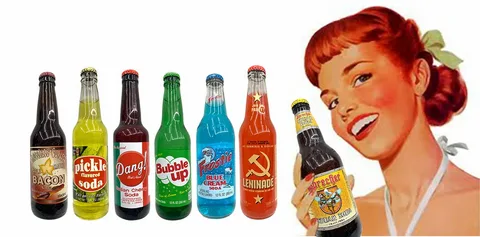
  • Regional favorites like Fanta and Irn-Bru maintain strong local popularity

Global Soda Sales Trends

Recent trends in global soda sales reveal shifting consumer preferences and evolving market dynamics. One major change is the increasing demand for healthier beverage choices. As consumers become more health-conscious, soda companies are responding with low-calorie options, reduced-sugar formulas, and products made with more natural ingredients.

E-commerce has also played a growing role in soda sales. Online platforms make it easier for consumers to purchase beverages, helping brands reach broader audiences and refine their digital marketing strategies.

Another notable trend is the rise of craft sodas. Shoppers are showing interest in unique, small-batch flavors made with premium ingredients. These artisanal sodas appeal to niche markets and add diversity to the overall soda landscape.

What Is the Best Selling Soda Pop

Top Contenders in the Soda Market

The soda industry is highly competitive, with a few major brands leading the way. Coca-Cola, Pepsi, and Mountain Dew consistently rank among the strongest contenders.

Coca-Cola remains a timeless favorite with a wide range of flavors that appeal to many tastes. Pepsi differentiates itself through energetic marketing and a youthful image. Mountain Dew has built a loyal following by offering bold, unconventional flavors.

To stay competitive, these brands invest heavily in advertising, sponsorships, and product innovation. Their distinct identities and dedicated fan bases keep competition intense within the market.

Leading Soda Pop Brands Worldwide

Several soda brands continue to dominate on a global scale. Coca-Cola, Pepsi, and Sprite are among the most recognized names worldwide.

Coca-Cola’s iconic branding and familiar taste have kept it at the forefront for decades. Pepsi remains a close competitor with creative marketing and a strong cola profile. Sprite, with its crisp lemon-lime flavor, attracts consumers looking for a refreshing alternative.

In addition to global leaders, regional favorites such as Fanta in Europe and Irn-Bru in Scotland command strong local followings. Despite increased competition from healthier beverages, these soda brands remain influential due to extensive distribution and brand recognition.
What Is the Best Selling Soda Pop

Factors That Influence Soda Sales

To maintain or grow market share, soda brands must understand the key factors that affect sales:

  • Consumer Preferences: Shifts in taste, health awareness, and packaging trends
  • Marketing and Branding: Advertising, brand image, and visibility strongly impact buying decisions
  • Distribution Channels: Availability in stores, vending machines, restaurants, and online platforms

Marketing Strategies in the Soda Industry

Successful soda brands rely on creative marketing to stand out. Celebrity endorsements help boost visibility, while social media campaigns encourage interaction and brand engagement. Limited-edition flavors create excitement and urgency, and partnerships with major events or entertainment franchises expand audience reach. Loyalty programs and promotions further encourage repeat purchases and long-term brand loyalty.

What Is the Best Selling Soda Pop

The Best-Selling Soda Pop Today

The current leader in soda sales is a brand known worldwide for its refreshing taste and widespread availability. Its continued success can be attributed to:

  • Timeless Flavor: A taste that has remained popular across generations
  • Global Reach: Distribution in countless countries and markets
  • Strong Marketing: Innovative campaigns and consistent brand messaging

These strengths help the brand remain a top choice for consumers around the world.

Conclusion

When it comes to global soda sales, Coca-Cola continues to lead the pack. Its classic flavor, recognizable branding, and effective marketing have secured its place at the top of the industry. By appealing to diverse audiences across cultures and age groups, Coca-Cola has maintained its dominance and shows no signs of slowing down.

Here’s to Coca-Cola—the enduring champion of soda sales worldwide. 🥤
Leave a Reply

Your email address will not be published. Required fields are marked *

Related Post

How to Make Homemade Soda Pop

How to Make Homemade Soda PopHow to Make Homemade Soda Pop

If you’re bored with commercial sodas and eager to brew something custom, homemade soda offers a methodical yet fulfilling adventure. Using basic staples like sugar, fruit, and water, you can whip up a sparkling beverage tailored to your palate. Picture the joy of sipping a drink you’ve crafted yourself, perfectly matched to your preferences. But to ensure that first bubbly gulp is a hit, follow these key steps and tips. Let’s dive into the secrets of making effervescent delights that will keep you coming back.

How to Make Homemade Soda Pop

Key Takeaways

  • Select flavors based on personal favorites, such as citrus or berries.
  • Assemble essentials: sugar, flavor extracts, fruit, and water.
  • Prepare a soda base by simmering the ingredients.
  • Add fizz via tablets, a siphon, yeast, or a SodaStream device.
  • Innovate with juices, herbs, and sweeteners for one-of-a-kind mixes.

Selecting Your Soda Flavor

A Flavorful Selection Guide

Choosing the right soda flavor starts with your own tastes and preferences, ensuring a drink you’ll love. Reflect on flavors you enjoy in other foods or drinks—do you crave the zesty punch of citrus or the juicy sweetness of berries? Perhaps the timeless appeal of vanilla or the refreshing edge of mint calls to you. These can be your launchpad for homemade soda innovation.

Factor in the season too. Opt for light, fruity options in summer to beat the heat, or warm, spiced choices like cinnamon or caramel in winter for comfort. Adapting to the time of year boosts your enjoyment.

Embrace experimentation: blend ingredients for novel combinations. Trying new flavors often yields unexpected pleasures. The goal? Pick something that delights your senses with every bubble.

How to Make Homemade Soda Pop

Assembling Ingredients and Equipment

To create homemade soda, collect the right ingredients and tools upfront.

Essential Ingredients:

  • Sugar or your preferred sweetener
  • Flavoring extracts (e.g., vanilla, lemon, raspberry)
  • Fresh fruit or juice
  • Water

Required Equipment:

  • Large pot for simmering
  • Measuring cups and spoons
  • Funnel for bottling
  • Airtight bottles for storage

Optional Enhancements:

  • Citric acid for added tang
  • Carbonation tools (like a soda maker or drops)
  • Food coloring for visual appeal
  • Herbs or spices for layered tastes

Safety Tips:

  • Wear heat-resistant gloves with hot liquids.
  • Sterilize bottles thoroughly.
  • Use proper canning if storing long-term.
  • Don’t overfill to avoid pressure buildup.

Preparing the Soda Base

Making Homemade Soda Syrup

Build your soda base by mixing sugar (or sweetener), flavor extract, and water in a large pot. Heat the water on medium, add sugar, and stir until dissolved—this creates the core of your soda.

Next, incorporate the flavor extract (options include vanilla, lemon, cherry, or root beer). Stir thoroughly for even distribution.

Simmer briefly to blend flavors, then cool completely. This syrup is now primed for carbonation, delivering the sweetness and taste that define your drink.

Carbonating Your Soda

Turn your base into a bubbly treat by introducing carbonation through straightforward methods.

Methods:

  • Carbonation Tablets: Add tablets to your base per instructions; they release CO2 for instant fizz.
  • Soda Siphon: Load the base, insert CO2 cartridges, and shake lightly to infuse gas.
  • Yeast Fermentation: Mix in yeast and extra sugar before bottling; yeast produces CO2 naturally.
  • SodaStream Machine: Attach your base bottle, carbonate with button presses for quick, adjustable bubbles.
How to Make Homemade Soda Pop

Flavoring and Sweetening Options

Enhancing Taste with Variety

Elevate your soda with diverse flavors and sweeteners—possibilities abound.

Incorporate fruit juices like orange, lemon, or raspberry for natural bursts. Herbs such as mint or basil offer a fresh twist.

For sweetness, stick with cane sugar for classic richness, or try honey, agave, or maple syrup for healthier alternatives that add nuance.

Combine fruits, herbs, and sweeteners to invent signature recipes. Experiment freely to discover blends that excite your taste buds.

Bottling and Storing Your Soda

Proper bottling and storage keep your soda fresh and fizzy. Follow these tips:

  • Use Airtight Bottles: Seal in clean containers to lock in carbonation and block contaminants.
  • Cool Storage: Refrigerate or keep in a dark, cool spot away from heat and light.
  • Minimize Openings: Avoid unnecessary access to retain bubbles.
  • Label and Date: Mark flavors and dates for easy tracking and freshness checks.
How to Make Homemade Soda Pop

Serving and Enjoying Your Creation

Creating and Savoring Dishes

Serve your homemade soda chilled in an ice-filled glass for peak refreshment.

After perfecting your flavors, indulge: add ice to chill without watering down, pour slowly to preserve fizz, and admire the rising bubbles.

Savor the colors and scents, then sip deeply. Let the flavors—sweet, tart, or herbal—unfold. Share with loved ones or enjoy solo, celebrating your craftsmanship.

Here’s to your soda-making triumphs!

Conclusion

With homemade soda mastered, the flavor horizons are limitless. Mix ingredients, tweak sweeteners, and relish custom drinks that wow.

Armed with basics and patience, you’ll produce sodas that impress. Toast to your brewing expertise!

Uncategorized
How Many Teaspoons of Sugar in Soda Pop

How Many Teaspoons of Sugar in Soda PopHow Many Teaspoons of Sugar in Soda Pop

Have you ever stopped to consider just how many teaspoons of sugar are hidden in that seemingly harmless can of soda pop? The reality might shock you. Grasping the sugar levels in your favorite fizzy drinks can reveal a lot about their effects on your health. Before your next gulp, pause and reflect on what this sugar overload could do to your body. Keep reading to learn the facts about the excessive sugar in sodas and find practical steps toward healthier choices.

How Many Teaspoons of Sugar in Soda Pop

Key Takeaways

  • A standard 12 oz can of soda typically contains 9-11 teaspoons of sugar.
  • Excessive sugar from soda can contribute to issues like obesity, diabetes, and heart disease.
  • Regularly reviewing soda labels is key to tracking and controlling sugar intake.
  • Switch to low-sugar or sugar-free alternatives to cut down on added sugars.
  • Replacing soda with water or herbal teas can significantly lower overall sugar consumption.

The Impact of Sugar in Soda

Sugar plays a central role in soda, not just for taste but for its profound effects on your body. When you drink soda, the high sugar content is rapidly absorbed, causing a sharp spike in blood sugar levels. This leads to a quick energy burst, but it’s fleeting—often followed by a crash that leaves you drained and irritable.

Beyond the immediate energy rollercoaster, frequent soda consumption can harm your long-term health. Studies link sugary drinks to a higher risk of obesity, type 2 diabetes, heart disease, and even some cancers. The “empty calories” from soda’s sugar provide no nutritional value, making it easy to gain weight if not offset by activity. Moreover, the acidic nature of soda can erode tooth enamel, increasing cavity risk.

Understanding this impact empowers you to make better decisions. While an occasional soda won’t derail your health, habitual intake can accumulate, leading to metabolic issues like insulin resistance. By moderating your consumption, you can protect your well-being and maintain steady energy levels.

How Many Teaspoons of Sugar in Soda Pop

Sugar Content in Popular Soda Brands

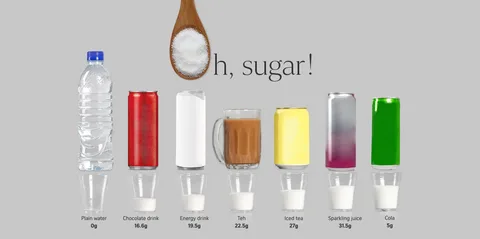
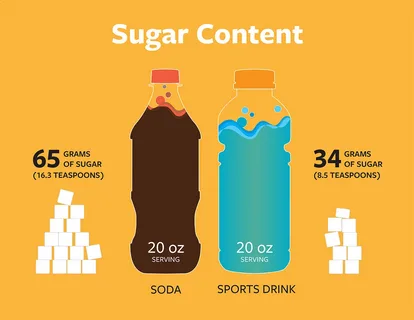
Different soda brands vary widely in sugar content, influencing how they affect your health. For instance, a 12 oz can of Coca-Cola has about 39 grams of sugar, equating to roughly 9.25 teaspoons. Mountain Dew, known for its bold flavor, packs around 46 grams per 12 oz can—about 11 teaspoons—making it one of the sweeter options. Pepsi falls in between, with approximately 41 grams (or 9.75 teaspoons) in the same serving size.

Some brands offer lower-sugar choices. Diet Coke and Diet Pepsi are sugar-free, using artificial sweeteners for a zero-calorie experience. Other variants, like Coke Zero or Pepsi Max, provide similar benefits without the sugar hit.

To compare easily, here’s a breakdown of sugar content in popular 12 oz cans:

Soda BrandSugar Content (g)
Coca-Cola39
Pepsi41
Sprite38
Dr. Pepper40
Mountain Dew46

This table highlights how even “lighter” sodas like Sprite still deliver nearly 10 teaspoons of sugar. By choosing brands with lower or no sugar, you can enjoy the fizz without the overload.

Reading Sugar Labels on Soda

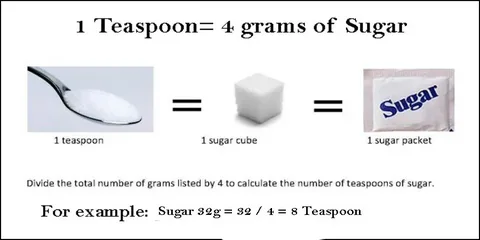
To make smarter choices, always check the nutrition labels on soda cans or bottles. These labels list total sugars per serving, helping you monitor intake. Look for the “Sugars” line under carbohydrates—it’s usually in grams, which you can convert to teaspoons (divide by 4, since 1 teaspoon ≈ 4 grams of sugar).

Labels also reveal added sugars versus natural ones. Sodas primarily contain added sugars like high-fructose corn syrup. Be wary of terms like “fruit-flavored,” which might imply healthiness but often hide high sugar levels.

Reading labels isn’t just about soda—extend it to other drinks and foods. Over time, this habit builds awareness, allowing you to spot hidden sugars in seemingly innocent products.

How Many Teaspoons of Sugar in Soda Pop

How Much Sugar Do You Consume?

Tracking your daily sugar intake is crucial for understanding its impact. Many people underestimate how much they consume, especially from beverages. Start by logging your drinks and snacks for a week—include sodas, juices, and even flavored coffees. Tools like apps (e.g., MyFitnessPal) can simplify this.

Consider portion sizes: a larger bottle might double the sugar. Even “healthy” options like fruit smoothies can be sugar bombs if not homemade. Aim to limit added sugars to under 25-50 grams per day, per health guidelines.

To cut back, swap sugary drinks for water or unsweetened teas. If you crave sweetness, opt for whole fruits, which provide fiber to slow sugar absorption. Small shifts, like diluting juice with water, can reduce intake without sacrificing enjoyment.

Alternatives to High-Sugar Soda

Cutting soda doesn’t mean giving up refreshment. Plenty of low-sugar options exist to satisfy your cravings. Sparkling water mixed with a splash of natural fruit juice offers fizz and flavor without excess sugar. Unsweetened iced tea provides a classic taste, customizable with lemon or mint.

For carbonation lovers, sugar-free sodas like Diet Coke or Zevia (made with natural sweeteners) mimic the experience. Herbal teas, hot or iced, come in endless varieties—from chamomile to hibiscus—and are naturally sugar-free. Coconut water delivers a subtle sweetness with electrolytes, making it a hydrating alternative.

Experimenting with these can help you transition away from high-sugar habits. Over time, your taste buds adjust, and you’ll find these options just as enjoyable.

Tips for Reducing Sugar Intake

Reducing sugar from soda is part of a broader strategy for better health. Replace sugary snacks with fruits, veggies, or nuts for nutrient-rich alternatives. For drinks, default to water—infuse it with cucumber, berries, or herbs for flavor.

Cook at home to control ingredients; use natural sweeteners like honey sparingly instead of refined sugar. When dining out, ask for dressings or sauces on the side to avoid hidden sugars.

Read labels diligently and choose products with minimal added sugars. Gradually decrease portions of sugary items to ease the change. Staying active helps balance any occasional indulgences, turning small habits into lasting wellness.

Conclusion

The next time you grab a soda, remember those 9-11 teaspoons of sugar per can and their potential toll on your health. Awareness is the first step—by checking labels, tracking intake, and exploring alternatives, you can make choices that support your well-being. Prioritize hydration and moderation for a healthier, more energized life. Your body will thank you.

Uncategorized
Best Soda Pop to Drink Before Singing

Best Soda Pop to Drink Before SingingBest Soda Pop to Drink Before Singing

If you want to elevate your singing performance and keep your voice in peak condition, what you drink beforehand matters more than you might think. While many beverages can be tempting, certain soda pops offer specific benefits that support vocal comfort and control. Choosing the right option can help prepare your vocal cords, making it easier to reach high notes and protect your voice. Before your next practice or performance, consider how a simple drink choice could positively influence your sound.

Best Soda Pop to Drink Before Singing

Key Takeaways

  • Ginger ale and root beer can help soothe the throat and support hydration
  • Club soda offers hydration without sugar or caffeine
  • Herbal teas provide calming, throat-coating benefits
  • Lemon-lime sodas offer a light and refreshing option
  • Low-acidity drinks help minimize throat irritation before singing

Classic Cola

When warming up your voice, a classic cola can offer a quick burst of energy and refreshment. Its carbonation may help clear your throat, while caffeine can sharpen focus and boost alertness before singing.

That said, cola’s sugar content can contribute to dehydration if consumed in excess. Pairing it with water is important to maintain proper hydration. Additionally, its acidity may irritate sensitive throats, so it’s best to listen to your body and enjoy it sparingly.

Citrus Soda

Adding a citrus soda to your pre-singing routine can deliver a bright, refreshing boost. Lemon-lime sodas like Sprite or 7UP offer a clean taste that may help keep your throat feeling fresh and hydrated.

Caffeine-free options are ideal for evening performances or for singers sensitive to stimulants. If you need an extra energy lift, citrus sodas with caffeine may help—but moderation is key to protecting your voice.

Root Beer

Root beer provides a smooth, flavorful alternative for singers seeking a soothing pre-performance drink. Its blend of herbs and spices can gently coat the throat, creating a comfortable surface for vocal cords.

The carbonation helps keep your throat clear, while the mild sweetness offers energy without excessive dryness. Choosing a high-quality root beer with natural ingredients can enhance these benefits. Just be mindful of portion size to avoid bloating before performing.

Ginger Ale

Ginger ale is a favorite among singers for good reason. Its crisp taste and gentle spice can help calm the throat and reduce discomfort. Ginger’s natural soothing qualities may also ease tension in the vocal cords and help settle nerves before stepping on stage.

The carbonation can help clear mucus, while the mild sweetness won’t overwhelm your palate. Compared to heavier or artificially flavored sodas, ginger ale is often easier on the throat and digestion.

Cream Soda

Cream soda offers a smooth, mellow option with its soft vanilla flavor and gentle fizz. Its lower acidity makes it less harsh on the throat, and the creamy sweetness can help coat and protect vocal cords.

This makes cream soda a comforting choice for singers who want hydration without sharp flavors that might cause irritation or dryness.

Berry Blast

Berry-flavored sodas can add a fun and energizing twist to your pre-singing routine. Their fruity notes awaken the senses and help set a positive mood before performing.

  • Bold berry flavor refreshes and excites the palate
  • Lively carbonation provides a quick energy lift
  • Balanced sweet-tart taste keeps the drink enjoyable without being overwhelming
Best Soda Pop to Drink Before Singing

Sparkling Water

Sparkling water is one of the cleanest and most effective choices for vocal hydration. Its carbonation can help clear mucus while leaving no sticky residue behind.

Unlike sugary sodas or juices, plain sparkling water won’t contribute to phlegm buildup, helping you maintain vocal clarity and consistency. For best results, choose unflavored varieties without sweeteners.

Herbal Infusions

Herbal drinks can be a powerful addition to your vocal warm-up routine. They help relax your throat, reduce tension, and support vocal health.

  • Chamomile tea promotes relaxation and eases vocal strain
  • Peppermint tea clears the throat and supports breath control
  • Ginger and honey infusion warms the vocal cords and provides a protective coating

Trying different herbal options can help you discover what best supports your voice.

Conclusion

When it’s time to sing, choosing the right drink can make a noticeable difference. Ginger ale stands out as a refreshing, throat-soothing option that helps hydrate and prepare your vocal cords.

With its gentle flavor and calming properties, it’s an excellent choice for singers who want to sound confident and comfortable. Here’s to a smooth, strong, and successful singing session ahead! 🎤🥤

Uncategorized